I found the Simple Geo Print workshop with Robert incredibly helpful last week therefore I decided to develop my skills further using the same steps but putting my own twist on them. I had to use trial and error to teach myself more skills in Illustartor but I found myself beginning to create really interesting patterns.
Quick visual research using pinterest and WGSN in preparation of our session with Robert
http://www.moma.org/collection/artists/96?locale=en
http://www.wgsn.com/content/board_viewer/#/138030/page/1
Digital printer:
Uses procion and acid dyes
Prints with dyes, steamed as washed as normal (intensifies colours)
A good quality image is needed on memory stick ready to print
Can only print with Neil on Tues/Weds/Thurs
Print has to cover width of fabric
Maximum 10 days turnover (at busiest
Can use photoshop/illustrator but AVA is best
AVA is a textile repeat software
Layers must be flattened and it must be saved as a TIF file
1 metre of printing takes 45 minutes and price varies on different fabrics
Possibilities:
Print on devore fabric
Linen creates a faded, aged look
Organza can be printed on
Print some intricate parts using digital but leave spaces blank to go in and hand print
Spray on water before steamed and set, add discharge paste?
Sublimation Printer:
Uses disperse dyes
Synthetic fibres
Print from any file, print onto 60 cm wide fabric and the heat press
£13= 1 metre
We began this workshop with drawing activities using our personal objects to draw from on A1 paper, using many drawing strategies:
Negative space
Texture
Line/shape
Tone/shadow
Blind drawing
Continuous line timed drawing
Using a variety of drawing strategies is really helping me find a style and forcing me to use different scales and unique techniques. I enjoy timed drawings to then subsequently add and work into them to create more considered, delicate marks. I want to build a sketch book using these techniques, layering different drawing techniques with tracing paper, acetate and contrasting textures.
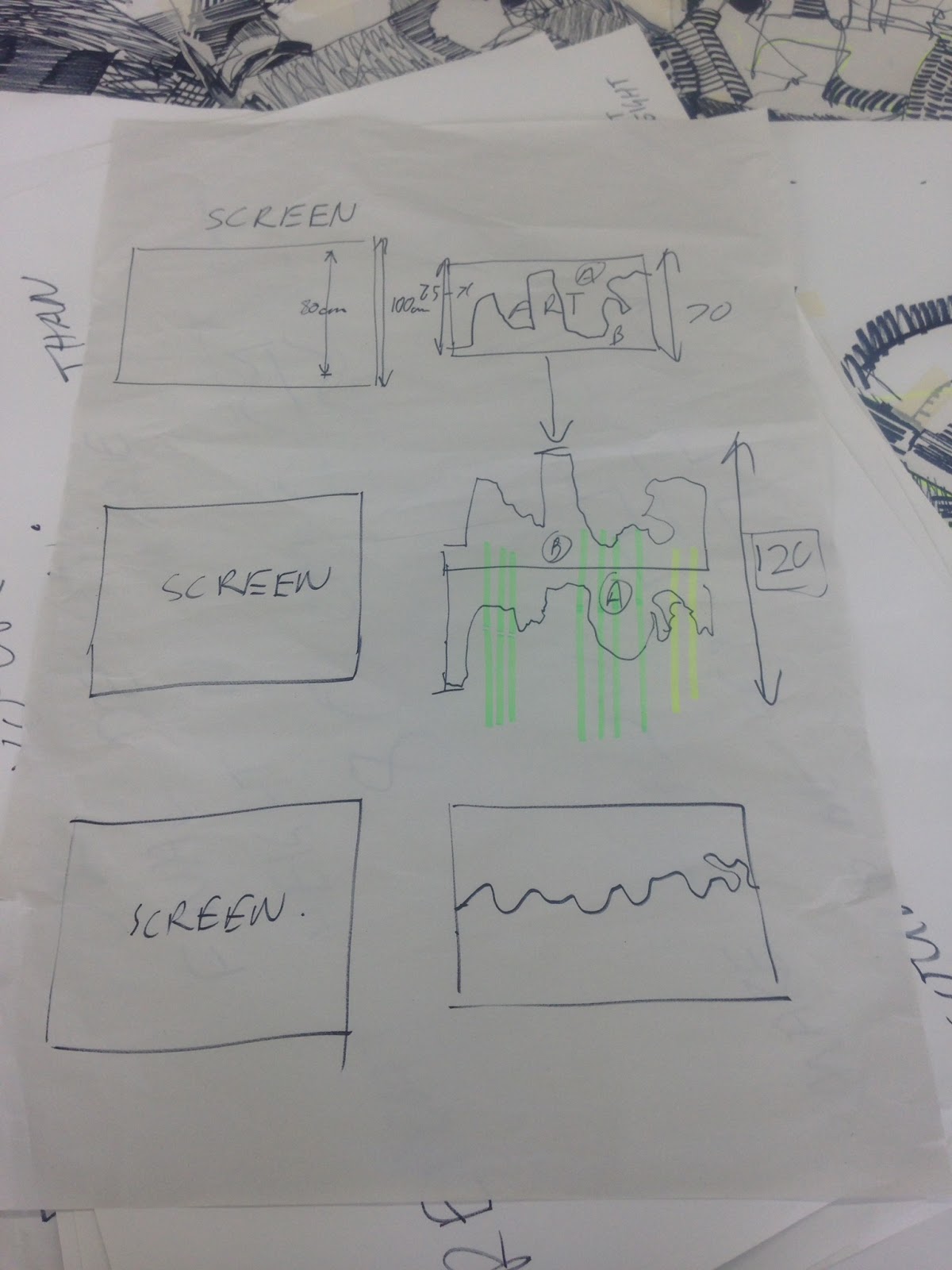
Today we combined the groups drawings we did individually with bold black pen using different strategies to create a large A1 collage of line and shapes etc, filling in spaces with and marks from our objects to ensure it flowed. We then cut through the A1 collage in a wave. Ensuring the wave was not too dramatic or high to create the subtlest repeat as possible.
Make a Repeat Pattern in 60 SecondsMake a Repeat Pattern in 60 Seconds with Julia RothmanFull Class → http://skl.sh/repeat-patterns
Posted by Skillshare on Friday, 16 October 2015